


A Comprehensive Guide to FFS Procedures: Your Questions Answered
Medically reviewed by Lin-Lin Liu, PA on May 25, 2026.
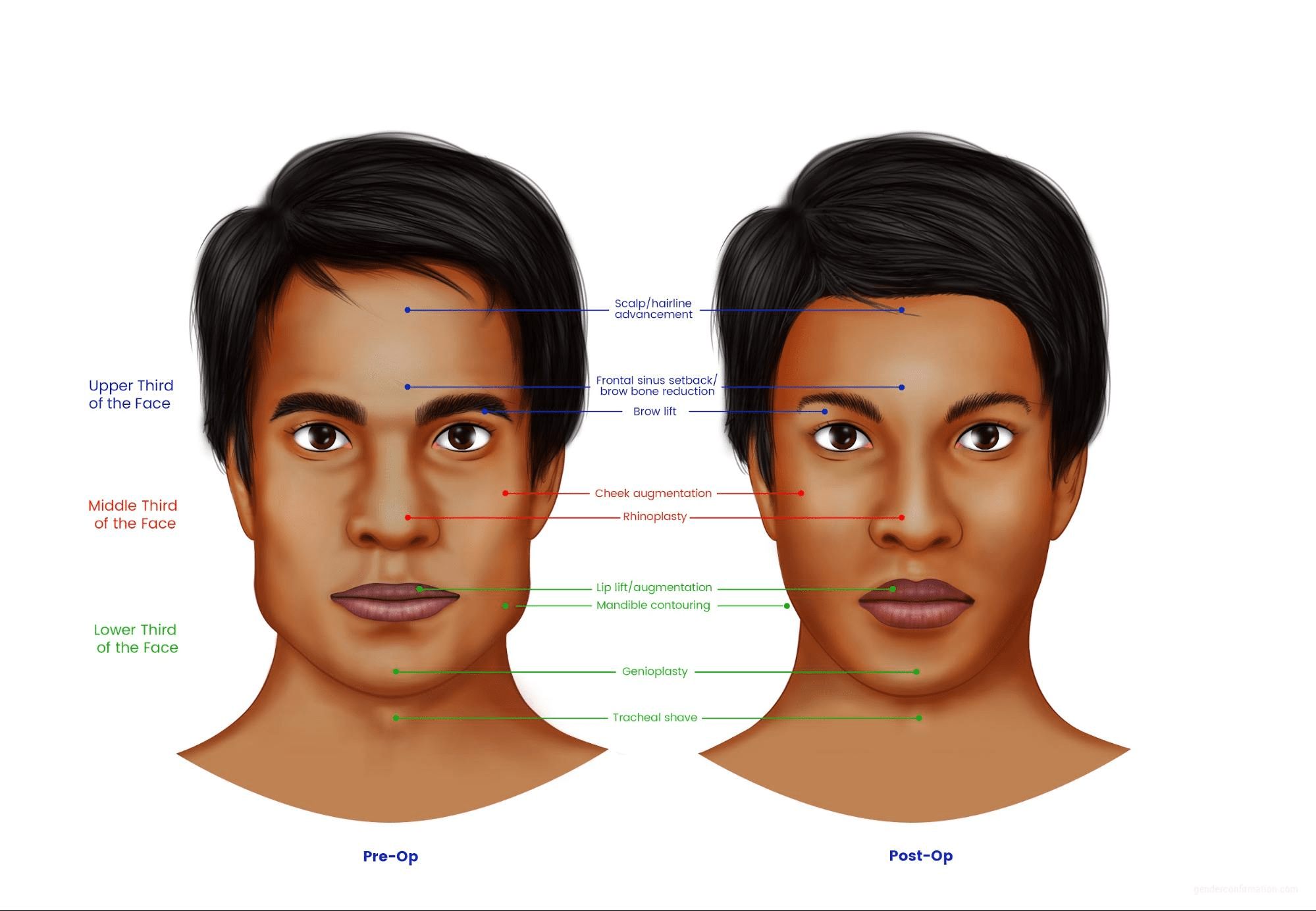
For transgender women, non-binary folks and gender non-conforming patients, facial feminization surgery (FFS) can alleviate gender dysphoria by permanently altering the patient’s facial features to achieve greater gender congruence. In a free, remote or in-person consultation, patients can create a unique surgical plan to alter features in any of the following areas:
- The upper third of the face: hairline, brow bone & eyebrows
- The middle third of the face: nose & cheeks
- The lower third of the face & neck: lips, chin, jaw & trachea (aka. Adam’s Apple)
- Patients may also combine their FFS with cosmetic facial procedures like a facelift, neck lift or blepharoplasty (removing skin from the upper and/or lower eyelids).
The specific combination of procedures will be tailored to your unique facial structure and gender-affirmation goals. You can create a surgical plan with Dr. Ley, Dr. Facque, Dr. Karamanos & Dr. Wes by requesting a free consultation with them today.
Designing Your Surgical Plan: Which Procedures are Right for Me?
Facial feminization surgery is not a one-size-fits-all approach to gender-affirmation. Rather, patients get to choose which procedures will be included as a part of their operation. To help you figure out which procedures would be right for you, we recommend that you consider the following:
- What features of your face bring you dysphoria? What changes to your face could bring you gender euphoria?
- Some patients find it helpful to bring photos of facial features they would like (for example, photos of family members) to a free consultation to discuss which options could help them realize their goals.
- Costs can be a limiting factor in deciding which procedures you will undergo. You can read more about pricing and insurance for FFS on this page. At the GCC, our free insurance concierge service has successfully secured coverage for 90% of interested patients.
If you’d like a quote for your procedure, you can request a free, remote or in-person consultation with one of our board-certified surgeons here.
Getting the Most Out of Your Consultation
In the following video, Dr. Facque (he/him) provides some tips on how you can make the most out of your FFS consultation:
Your Options Explained: What Parts of the Face Can be Modified Through FFS?
The following parts of the face can be modified in FFS:
Hairline
The hairline advancement technique can help reverse the effects of a receding hairline, giving the forehead a smaller and rounder appearance. This procedure can potentially eliminate the need for, or be used in conjunction with, hair transplants.
Forehead
Procedures such as forehead contouring or brow bone reduction can create a flatter, more gently sloping forehead and soften the brow ridge.
Eyebrows and Eyelids
An eyebrow lift will raise the position of the eyebrows on the face. A blepharoplasty can also be performed to remove excess skin in the eyelids, giving them a larger appearance.
Cheeks and Cheekbones
Cheek augmentation through fat grafting or silicone malar (cheekbone) implants can enhance and define the cheekbones.
Nose
Rhinoplasty (nose reshaping) can change the appearance of the nose. Most commonly, FFS patients request that the bridge of the nose be made thinner and the tip to be inverted, giving the nose a slight upward turn. Patients can also request to adjust the nostrils if they would like.
Chin and Jawline
The chin and jaw can be reduced or contoured through mandible contouring and genioplasty procedures.
Lips
A Lip augmentation or a lip lift can create fuller, more defined lips. A lip lift increases the volume of the upper lip whereas a lip augmentation injects fat to augment both the upper and lower lips.
Adam’s Apple
A tracheal shave reduces the size of the Adam’s Apple. This procedure is performed in a way to not alter the vocal cords.
Candidacy: Am I Eligible for FFS?
At the Gender Confirmation Center (GCC), we use the informed-consent model to determine surgical eligibility for legal adults. The informed-consent model for gender-affirming care proposes that adults who have the proper education about the risks and benefits of their desired procedure can determine for themselves if they are ready and willing to access surgery.
Additional Considerations
- Overall health: Prior to your surgical consultation, you will be asked to disclose your medical history. This includes any medications you are currently taking, your drinking and smoking habits, if you have a disability, if you have any medical conditions and if they are being monitored and/or treated.
- BMI: For facial surgery, we have no strict BMI candidacy requirements. Rather, your surgeon will create a unique surgical plan to minimize your risk of complications based on your medical history. For example, certain patients might need to stay a night in the hospital to monitor their health more closely after surgery.
- Hormone replacement therapy (HRT): The GCC has no HRT requirements for facial surgery candidacy. That said, per WPATH’s Soc 8 recommendations, many providers recommend that patients who are undergoing estrogen HRT wait until 1-2 years of treatment are complete before pursuing facial surgery. This is because it can take 1-2 years for physical changes in the face (like fat redistribution) to peak.
- Have a strong support system: A strong support network of family, friends, support groups and mental health professionals can be invaluable during the recovery and healing process.
- Have realistic expectations: It’s crucial to have realistic expectations about the potential outcomes and limitations of the surgery, as well as an understanding of the recovery process.
Risks & Drawbacks: Will FFS Leave Visible Scars?
Scarring is another factor that patients take into account when deciding which FFS procedures to get. Though some procedures may leave visible scars, proper scar care can significantly reduce their appearance, making them practically invisible.
That said, if you have a history of keloid scarring or have a darker skin tone and are prone to hypopigmentation, you may want to take that into consideration. The following procedures leave visible scars:
Procedures That Leave Visible Scars
- The hairline advancement, brow lift and brow bone contouring are three procedures that can leave a visible scar on the forehead, at the base of the hairline. Patients who undergo a brow lift and/or brow bone contouring without a hairline advancement can have the incision from this surgery hidden in the scalp. Doing so will hide the scar in the hair.
Procedures That Leave Hidden Scars
- The rhinoplasty and lip lift procedures have the possibility of leaving a scar at the base of the nose. Rhinoplasties that do not involve alterations to the nostrils will leave a small incision between the nostrils that almost always disappears completely. Only lift lip and rhinoplasty patients that alter their nostrils will have a small scar line at the base of the nose.
- Tracheal shave patients will have a small scar left on their necks from where the surgeon went inside to reduce the Adam’s Apple. Patients can ask the surgeon to make the incision under the jaw, to hide the scar from plain sight.
Costs and Insurance Coverage
The cost of FFS can vary, depending on which procedures you choose to undergo. Patients who are able to secure insurance coverage for their procedure can drastically reduce their out-of-pocket costs.
The total price for FFS can range from $4,500 to $100,000 for cash-pay patients. Patients with or without insurance may pay all surgical costs out-of-pocket, use medical credit to finance their surgery and/or be the benefactor of a gender-affirming surgery grant. For more information about these resources, click here.
The following cost breakdowns are for cash-pay patients (i.e., patients paying for the procedure without any insurance coverage or grants). These prices* also do not account for facility or anesthesiology fees, which are usually charged based on the duration of the procedure.
| Procedure Costs | Price Range* |
| Facial surgery: upper-third (hairline, frontal bone, brow) | $10,000 – $50,000* |
| Facial surgery: middle-third (nose, cheeks) | $6,000 – $18,000* |
| Facial surgery: lower-third (lip, jaw, chin, neck) | $4,500 – $50,000* |
The good news is, insurance has been covering FFS more than ever before. Dr. Facque describes in the video below how you can figure out if your plan will cover surgery:
Before & After Results
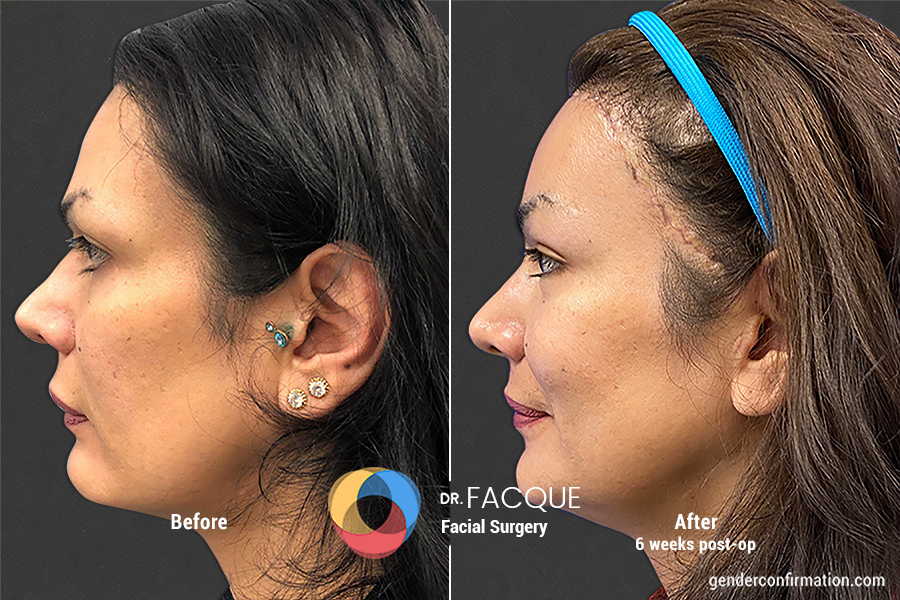
Patient underwent forehead feminization, brow lift, rhinoplasty, cheek augmentation & jaw contouring.
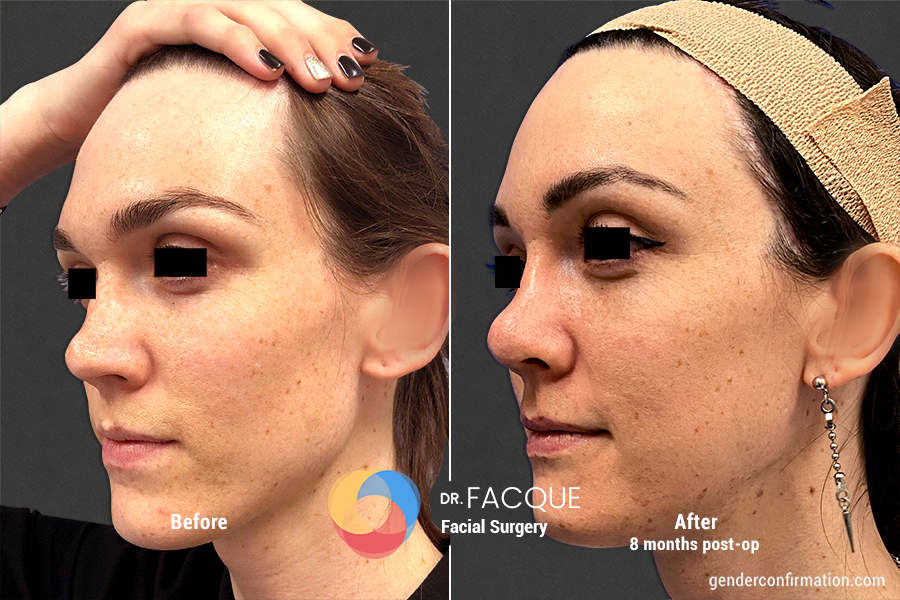
Patient underwent a genioplasty, rhinoplasty and forehead feminization procedure.
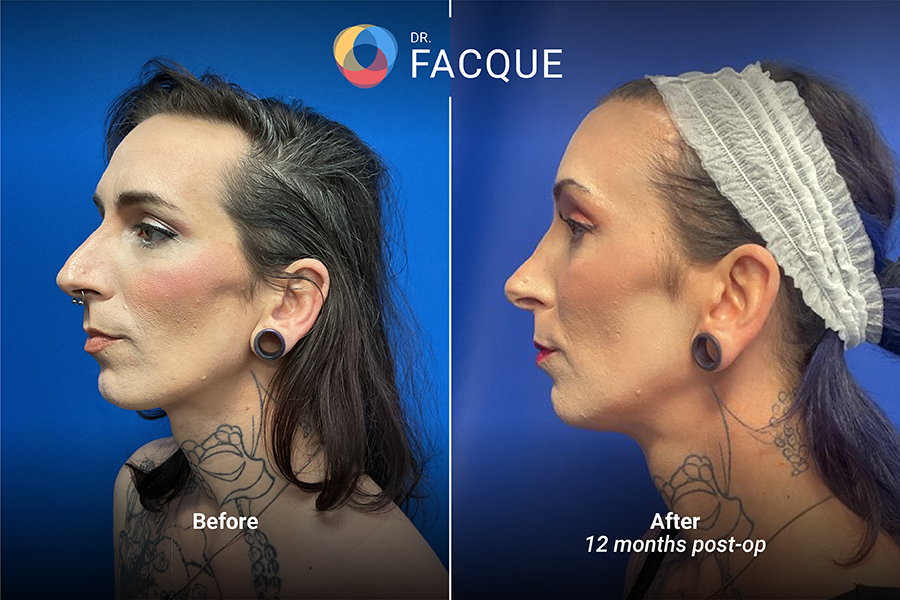
Patient underwent forehead feminization, brow lift, rhinoplasty, genioplasty & jaw contouring.
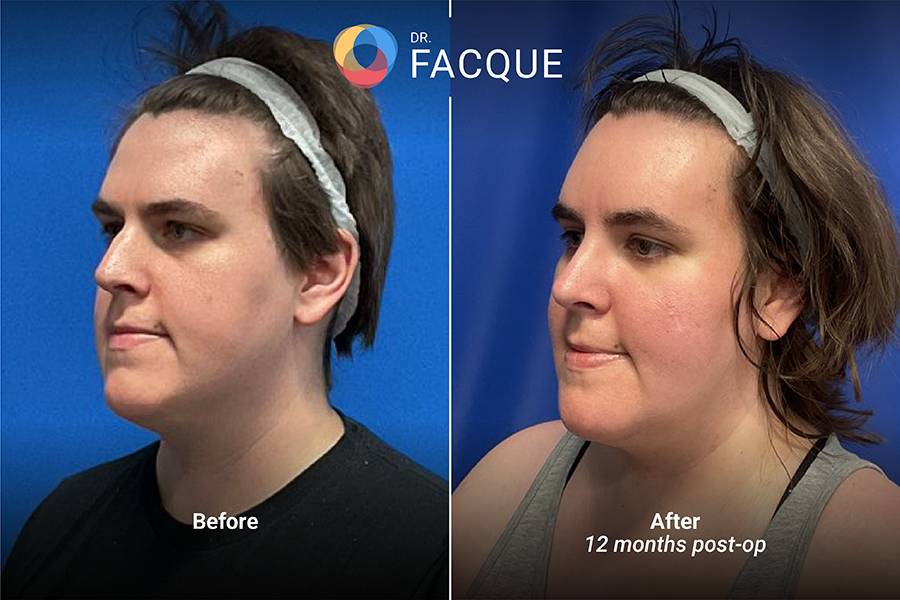
Patient underwent forehead feminization & rhinoplasty.
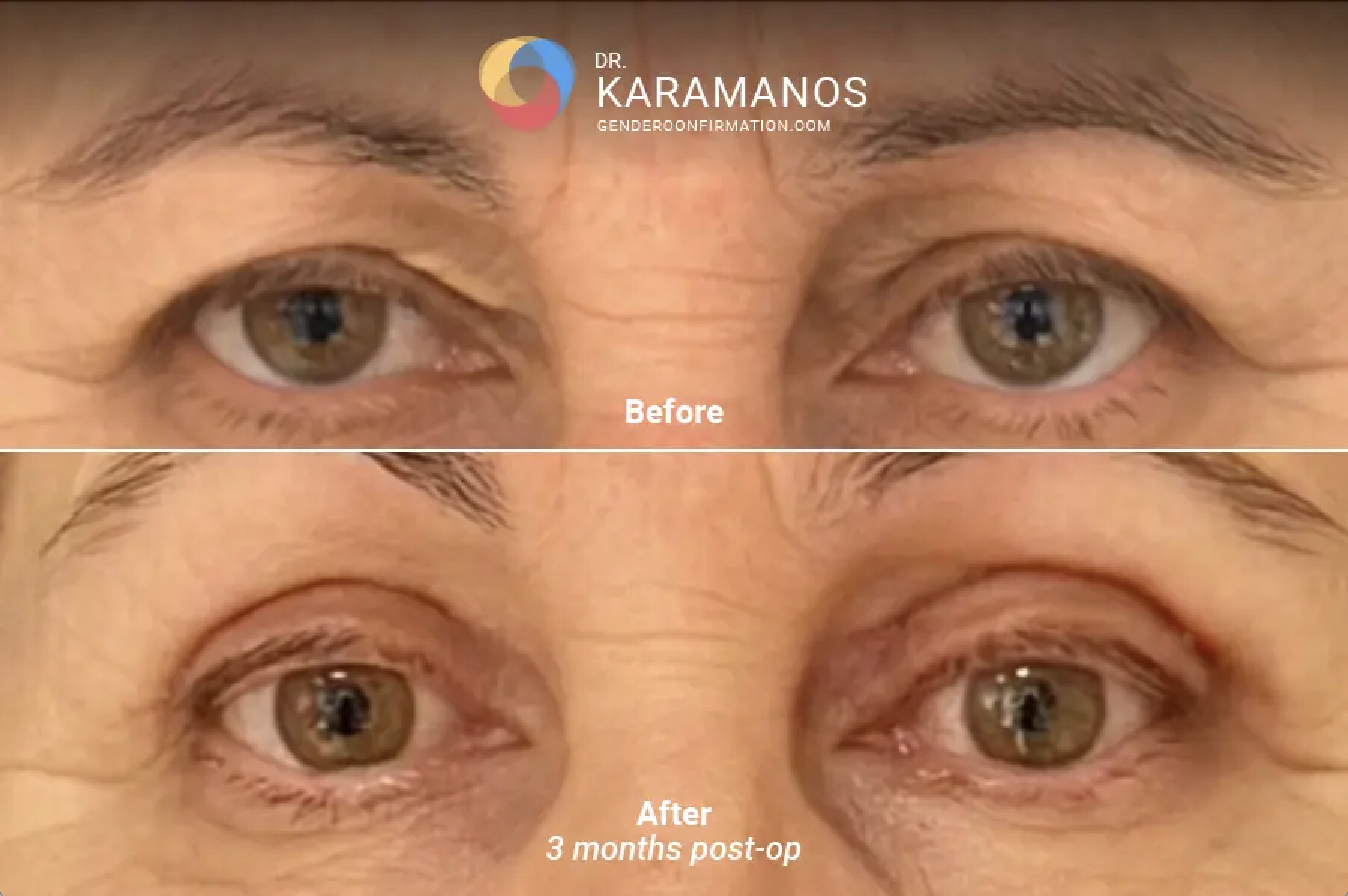
Patient underwent an upper blepharoplasty (to the upper eyelid).
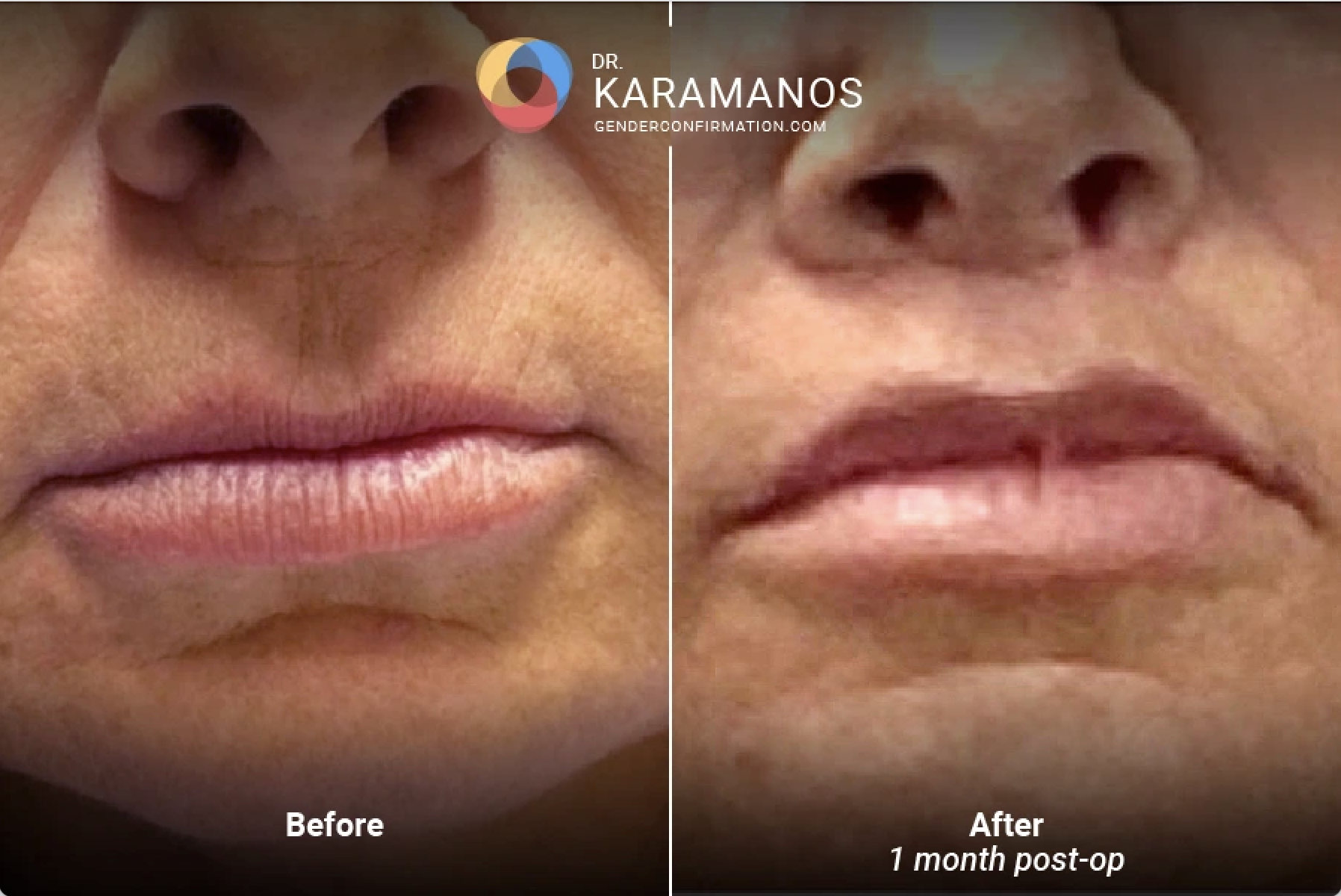
Patient underwent lip lift surgery.
You can see more photos here.
Recovery
Recovery from facial surgery can vary greatly from patient to patient, depending on the specific procedures they undergo. Below are some general guidelines you can keep in mind for the FFS procedures listed above. For a more detailed guide on recovery, click here.
Communicating with Your Care Team
Dr. Facque (he/him/his) describes in the video below how good communication with your medical providers can be of enormous help during your recovery process:
Leaving the Hospital
Patients may be discharged the same day as their surgery or need to spend the night in the hospital.. Regardless of when you are discharged, you will need to be picked up by someone who will take care of you.
Around-the-Clock Care
Generally speaking, for the first 72 hours after surgery, you should be accompanied by someone around-the-clock. You will need help administering medications and icing your face every hour to keep down inflammation.
Pain and Inflammation
Pain and inflammation will be at its peak during the first week after surgery. Patients will likely be taking prescription pain medications for the first few days after surgery, during which they should not operate a vehicle. We recommend keeping your head elevated at all times and keeping snug compression garments or bandages on the face as much as tolerable for the first week after surgery.
Diet
We recommend that patients follow a low-to-no-sodium diet to reduce swelling during the recovery period. If there are any incisions in the mouth (from a jaw or chin contouring procedure) you will need to maintain a soft food diet for at least two weeks. Eating hard or sharp foods can pre-maturely open the incisions and delay healing.
Emotional Recovery
The physical toll and long healing timeline sometimes give patients temporary feelings of post-operative depression and even regret. For this reason, we encourage patients to lean on their loved ones and mental health professionals for the emotional hardships that may come up during recovery.
Physical Activity
It is important to go on daily walks to reduce the risk of blood clots. For the first week, just walk around your house. Take care to avoid stairs, cluttered areas, loose rugs, and any other obstacles that could result in slips, falls, or injuries while you’re taking narcotics or have increased swelling around the eyes.
Final Results
Please keep in mind that patients will not be able to see their final surgical results until at least 12 months post-op. Even then, it may take longer for skin to tighten around the new facial features.
Benefits of Facial Feminization Surgery
Undergoing facial feminization surgery can provide numerous physical and psychological benefits for patients. These include:
- Improved self-confidence & body image: By achieving a facial appearance that better aligns with your gender identity, patients often experience a significant boost in self-confidence and overall self-esteem.
- Reduced gender dysphoria: FFS can help alleviate the feelings of gender dysphoria associated with having certain facial features, promoting a greater sense of congruence and well-being.
- Improved social interactions: With a more feminine facial appearance, individuals may feel more comfortable and confident in social situations.
- Psychological and emotional well-being: Studies have shown that gender-affirming procedures, including facial feminization surgery, can significantly improve mental health outcomes by reducing anxiety, depression, and overall distress related to gender dysphoria.
Frequently Asked Questions
Is FFS considered a major surgery?
Whether or not FFS is a major surgery depends on your unique surgical plan. For example, some patients choose to only undergo a tracheal shave, which is a relatively minor procedure that only takes about 1.5 hrs under anesthesia to complete. Other patients undergo multiple procedures at once, making it a major surgery.
How painful is FFS surgery?
Your pain levels will depend on the type of procedures you undergo and your individual pain tolerance. Generally speaking, procedures like forehead feminization (or frontal sinus setback), genioplasty and jaw contouring tend to hurt the most during the first week of recovery because they involve operating on bone.
Your doctor will likely prescribe you prescription pain medication during the first week of healing to manage pain. While you are taking these medications, you will not be able to operate a vehicle. Afterwards, your care team will instruct you on which over-the-counter pain medications you can use.
How risky is facial feminization surgery?
While gender affirming surgery is performed in ways to prevent any risks or complications from occurring, every surgical procedure involves a certain amount of risk. By disclosing your full medical history in your free consultation, your care team can create a surgical plan that involves reducing your complication risks. Likewise, for safety reasons, we strongly advise you to undergo surgery with an experienced, board-certified surgeon that has hospital privileges.
What is the ideal age for FFS?
A patient’s chronological age has a much lesser weight on their eligibility for surgery and the possible aesthetic outcomes. Generally speaking, there is no ideal age. That said, patients with certain chronic health conditions will need to have their general care practitioner help us evaluate if the condition is in a state wherein the patient can undergo surgery, or if treatment or lifestyle changes would be necessary first.
How long does facial feminization surgery take?
The time a patient spends under anesthesia for FFS depends greatly on the surgical plan. Some surgeries conclude in under 2 hours, while others take much longer. Patients can also opt to undergo FFS in multiple staged surgeries. This option is particularly helpful for patients who are unsure of how many procedures they would like to undergo, or for patients who would like to space out their recovery over two separate surgeries. You can discuss these options in a free consultation.
Is facial feminization surgery covered by insurance?
Most insurance providers that cover gender-affirming surgery will also cover facial surgery. That said, patients will need to present a support letter from a licensed mental health professional. Likewise, most providers require that patients undergo a minimum of 12 continuous months of hormone therapy in order to qualify for coverage, unless the patient has a medical contradiction.
 Facebook
 Tweet
Tweet Email
Email


