


On This Page

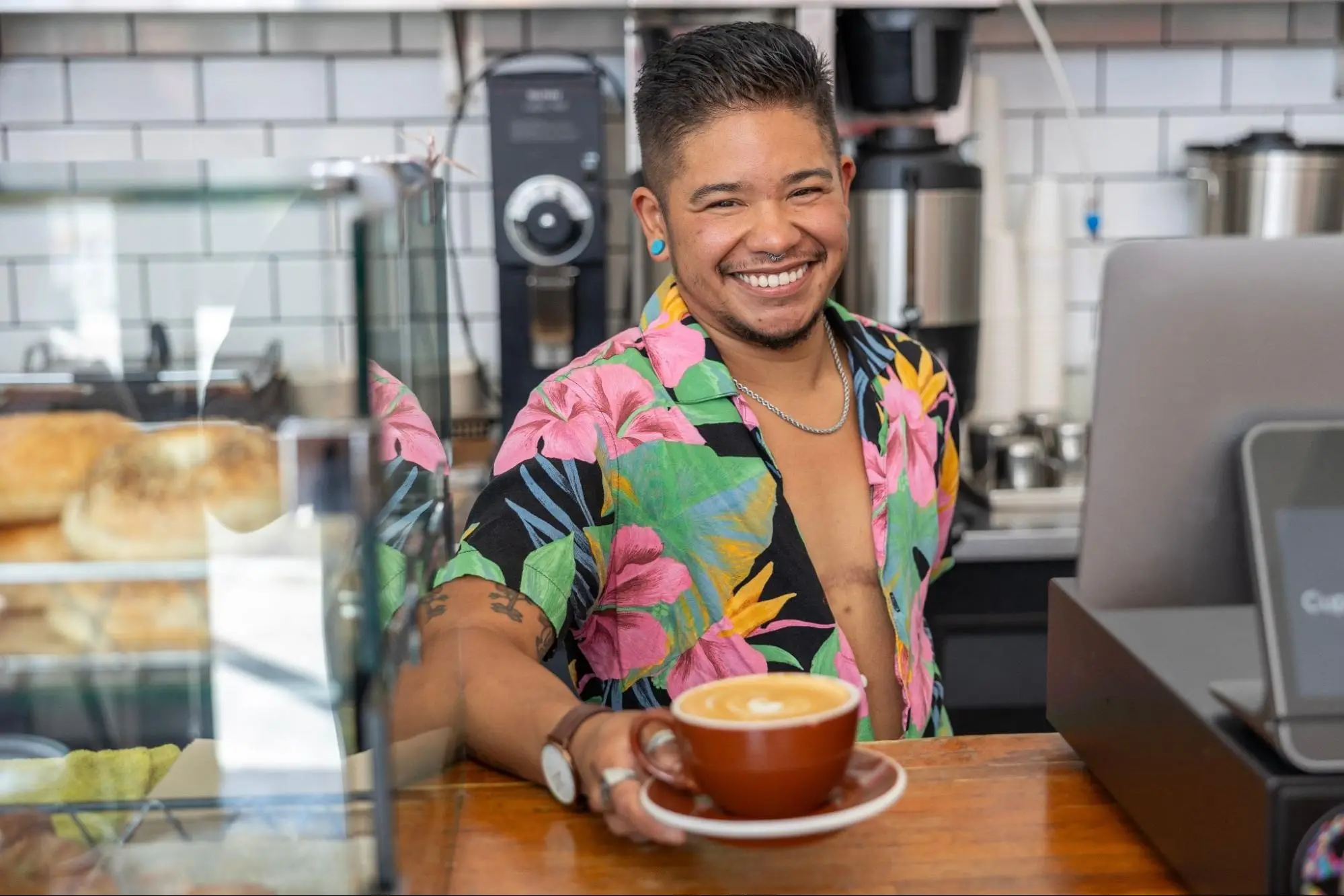
Dr. Alexander Facque (he/him) is a board-certified plastic surgeon and proud member of the LGBTQ+ community. Dr. Facque got his start in gender-affirming care as a resident at the Icahn School of Medicine at the Mount Sinai Medical Center in New York, where he first recognized the importance of providing safe and accessible surgeries to trans and non-binary patients. He then spent a year training and expanding his knowledge under Dr. Loren Schechter, one of the world’s foremost gender-affirming surgeons, as a fellow at Weiss Memorial Hospital’s Gender Confirmation Surgery and Practice Leadership in Chicago. Dr. Facque officially joined our team in 2020 and brought with him over 5 years of previous experience in gender affirming care.


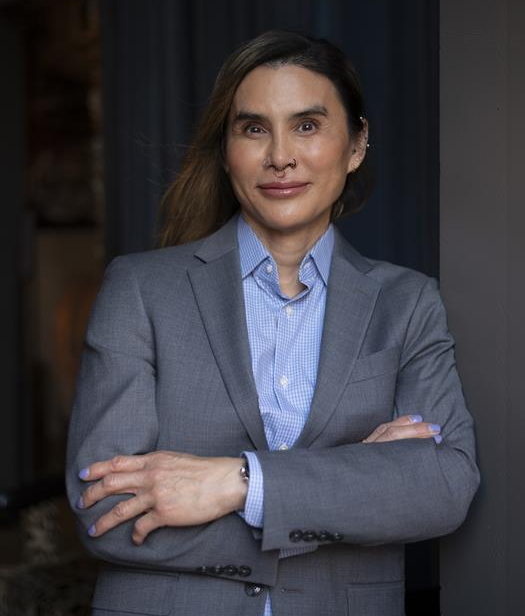
Dr. Ellie Zara Ley (she/her) is a board-certified plastic surgeon and the only transgender woman of color to offer a full-spectrum specialization in gender affirming surgery: top surgery, bottom surgery, facial surgery and body contouring. She is highly trained, having completing her general surgery residency at University of Arizona, a fellowship in plastic and reconstructive surgery at the University of Utah, a fellowship in craniofacial and pediatric plastic surgery at Primary Children’s Hospital in Salt Lake City and another in hand surgery and microsurgery at the University of Southern California. Prior to joining our team in 2022, she worked as an assistant clinical instructor of plastic surgery at the University of Utah and had her own private practice in Arizona.


Dr. Daniel Jacobs (he/him) brings over 30 years of experience in reconstructive plastic surgery and research. He completed a General Surgery residency at LAC/USC School of Medicine and a Plastic Surgery residency at USC School of Medicine. His exceptional work has been recognized through prestigious medical awards such as the ‘Sidney R. Garfield, MD Exceptional Contribution Award’ in 2017, San Jose Kaiser Permanente’s ‘Outstanding Inpatient Physician of the Year’ in 2017, and the ‘Outstanding Achievement in Medicine’ award from Santa Clara Medical Association in 2016.


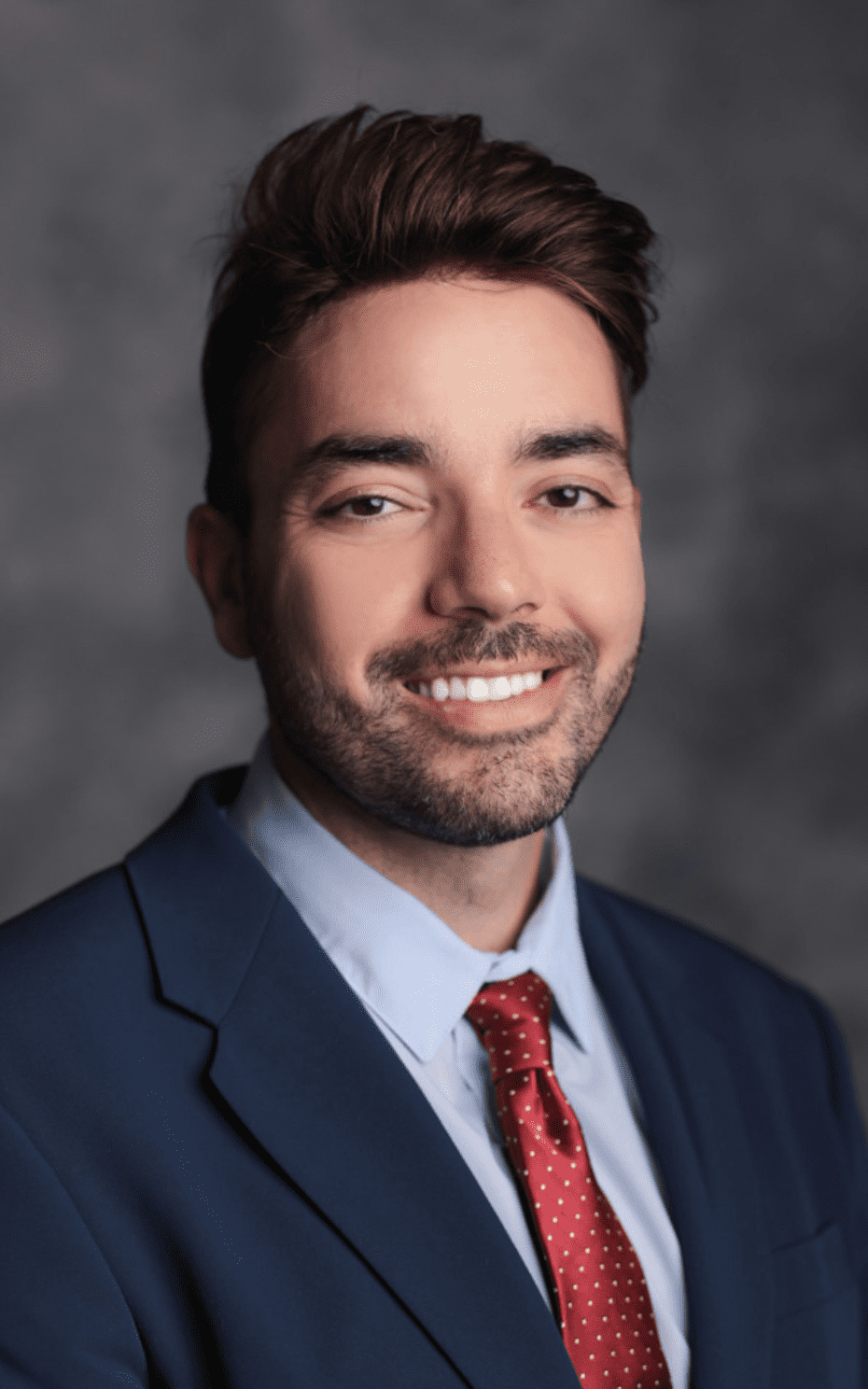
Dr. Efstathios Karamanos (he/him) is a board-certified plastic and reconstructive surgeon with expertise in microsurgery, breast reconstruction, body contouring, and facial surgery. He has trained at leading institutions in both the United States and Europe and currently serves as Assistant Professor of Surgery at the California University of Science and Medicine. Dr. Karamanos is widely published, serves on multiple editorial boards, and is an active member of national surgical societies.


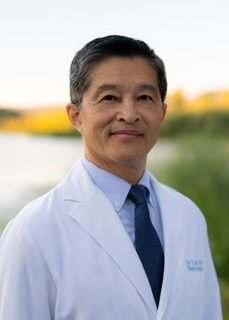
Dr. Eric Lin (he/him) is a board-certified plastic and reconstructive surgeon with nearly 30 years of experience in a variety of breast surgeries. He values the importance of learning about patients’ perspectives to best help them achieve their desired goals. In addition to offering gender surgeries, Dr Lin also remains active as a post-cancer reconstructive surgeon and serves as Clinical Associate Professor of Plastic Surgery at the California Northstate University, College of Medicine.


Dr. Scott Mosser (he/him) is a board-certified plastic surgeon who has over 15 years of experience serving gender diverse patients. He has devoted himself exclusively to gender affirming care since founding the GCC in 2013. Dr. Mosser is also a cofounder of the American Society of Gender Surgeons (ASGS), a member of the American Society of Plastic Surgeons (ASPS), the World Professional Association of Transgender Health, (WPATH), the United States Professional Association of Transgender Health (USPATH), and is a Fellow of the American College of Surgeons (FACS).


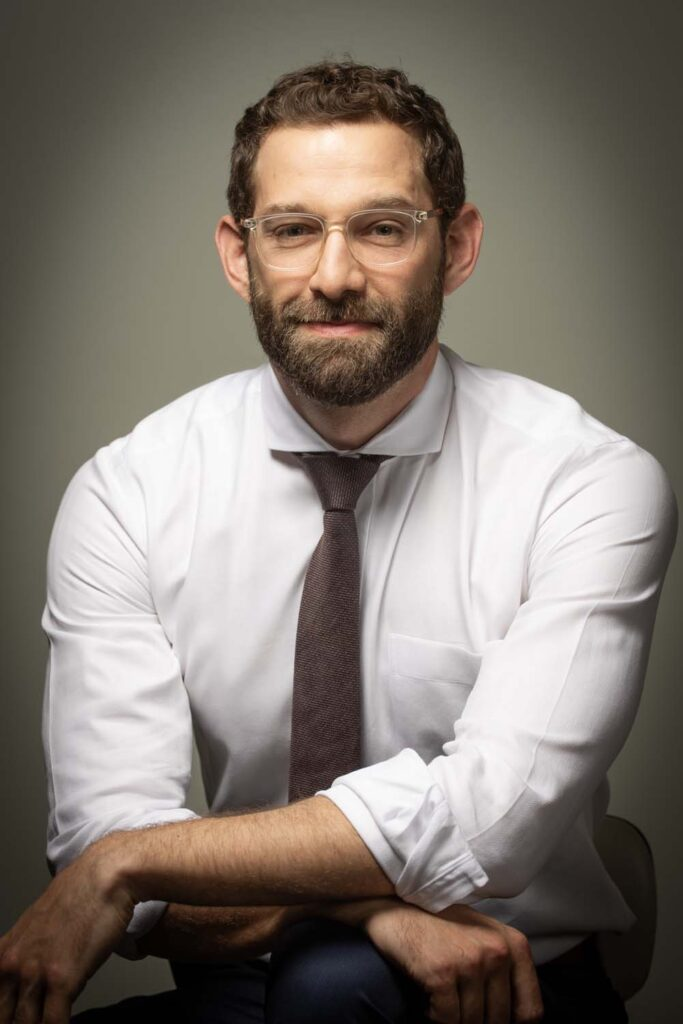
Dr. Ari Wes (he/him) is a plastic and reconstructive surgeon at the Gender Confirmation Center specializing in gender-affirming facial surgery and top surgery. Over the past decade, his training and clinical practice have focused extensively on gender-affirming care, with dedicated experience in facial feminization and chest surgery and a sustained commitment to transgender, nonbinary, and gender-diverse patients. He trained at the Hospital of the University of Pennsylvania and the Perelman School of Medicine, where he developed expertise in craniofacial surgery, breast reconstruction, body contouring, and surgical outcomes research. He is committed to clear communication, thoughtful planning, and meticulous technique so patients feel informed and supported throughout their surgical care.

To get started on your top surgery journey, you can request a free, virtual or in-person consultation with one of our world-class surgeons today.
A consultation is your place to get all of your questions about surgery answered. There, you can create a unique surgical plan based on your goals, body type and medical history.
In order to get top surgery, any patient needs to follow certain key steps: completing a surgical consultation, disclosing your full medical history and passing medical clearance, fulfilling insurance requirements, paying for surgery, and preparing for your procedure. We go over the most important steps below:
Top surgery encompasses a variety of mastectomy and breast reduction techniques as well as the possibility for liposuction. If you have questions about which procedure type would be best for you, you can ask one of our board-certified surgeons in a free consultation. Likewise, you can learn more about how we help patients determine which incision type, you can read more here. Below, we go over every incision type our surgical center offers and why patients tend to opt for them:
Minimal Scarring Options for Patients with Minimal Tissue
The keyhole and periareolar techniques create incisions around the nipple-areola complex, which often leave scars that are invisible because they heal into the coloring of the areolas. These options are ideal for patients with minimal to moderate amounts of tissue.
Flatness vs. Volume
For patients who don’t qualify for minimal scarring options, the question then becomes how much volume they would like left behind on their chests after surgery.
- Patients who would like to have a completely flat chest often choose between the following techniques: double incision, lollipop incision and fish mouth or batwing incision
- Patients who would like to retain some volume to their chest after surgery often choose between the following techniques: double incision, inverted T and buttonhole.
Nipple Sensation & Appearance
Top surgery gives patients the option to change the dimensions and positioning of their nipple-areolar complexes through free nipple grafting. Alternatively, some patients opt to have their nipples and areolas be removed entirely. For patients who would like to keep their nipples, you can consider the following options:
- Patients who are interested in preserving high levels of sensitivity in their nipples can opt for a double incision with nerve grafting, a periareolar, a keyhole, an inverted T or a buttonhole technique.
- Patients who would like to have the amount of sensibility in their nipples reduced can opt for any procedure that involves nipple grafting.
What Options Exist for Non-binary and Gender Expansive Patients Seeking Top Surgery?
Non-binary and gender expansive are two names for gender identities that transcend the two binary genders: male or female. At GCC, we recognize that there is no one way to “look non-binary,” just as there is no single, correct way to “look like a woman or man.”
That said, due to our high-volume of non binary patients, we have developed a series of top surgery techniques that respond to the interests commonly expressed by this group. Our approach is based on agreeing with a patient on the most suitable techniques to help them achieve their aesthetic goals and put them at the smallest risk possible for medical complications.
How Might Chest Binding and Nipple Piercing Affect Top Surgery Results? When Can I Get My Nipples Pierced After Surgery?
Patients who previously used a chest binder and/or have had nipple piercings are still eligible for top surgery. The effects of chest binding on top surgery results are minimal at best. Still, long-term binding may affect skin elasticity.
In terms of piercings, please inform your surgeon if you had nipple piercings in the past. Any chest piercings will need to be removed prior to the operation. You can find more information on chest binding here, and our guidelines around nipple piercings here.
In the video below, Dr. Eric Lin (he/him) describes some of our best practices around nipple piercings and top surgery:
Generally speaking, it can take 6-12 to see your final top surgery results since it takes that long for swelling to fully resolve and scars to mature. Most patients can return to work 1-2 weeks after surgery, but it will take 6 weeks to be able to return to rigorous physical activity.
We have put together a series of guides to cover the most common inquiries patients and their loved ones have about complications and recovery from top surgery. Every patient’s process is different. If you have inquiries about your unique situation or medical history, we can take that into account when crafting your unique surgical plan in a free, virtual consultation.
- For the general timeline for healing after surgery, click here
- For a guide on physical rehabilitation for pain and mobility, click here
- For guidelines on limiting arm movement post-op, click here
- For tips for speeding up the recovery process, click here
- For information on returning to work after surgery, click here
- For information on resuming exercise after surgery, click here
- For instructions on incision and scar care, click here
- For instructions on caring for nipple grafts, click here
- For information on surgical drains, click here
- For information on potential complications from top surgery, click here
Do you have specific questions about top surgery? You can get them answered and start the journey to getting top surgery by requesting a free, virtual consultation with one of our board-certified surgeons.
Click Here to Request the Next Steps to Schedule a Consult!
We offer complimentary virtual and in-person consultations with our board-certified surgeons. Click here to complete our consultation request form to learn more about the next steps in your patient journey.
BOOK CONSULTATION


Suite 1010, 450 Sutter St
San Francisco, CA 94108
Phone: (415) 780-1515
Fax: (628) 867-6510
GCC business hours are from 9:00 am to 4:00 pm
GCC phone hours are from 9:00 am to 4:00 pm
GCC phone hours are from 9:00 am to 4:00 pm
Board Certification
& Memberships


Copyright © 2026 GCC (Gender Confirmation Center). All Rights Reserved.